


 Italiano
  English
  Русский
  العربية
  Español de Costa Rica
  Français
  Deutsch
  Português
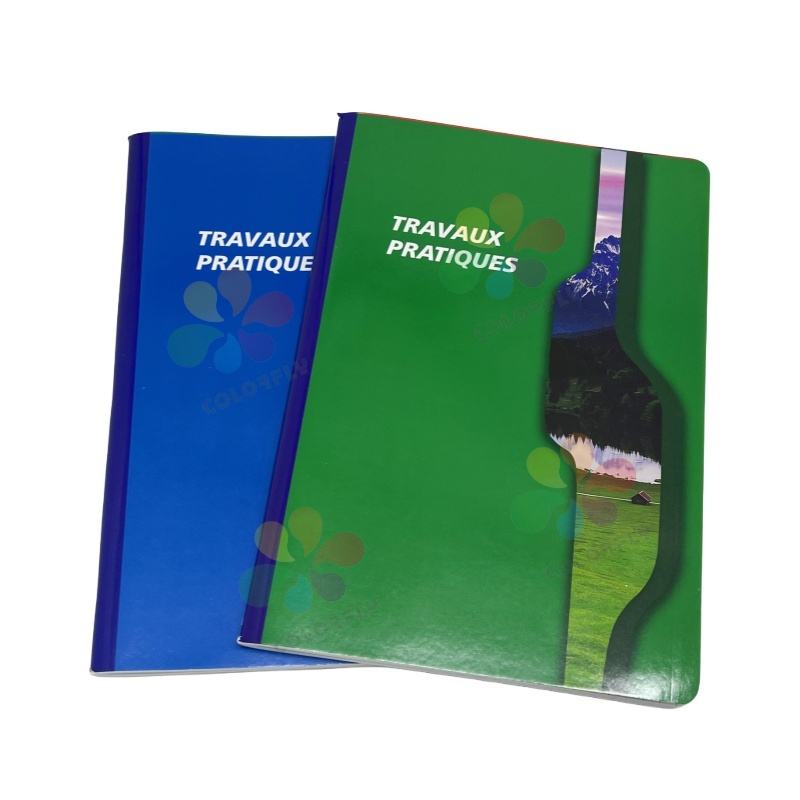
When the procurement team at a Comoros secondary school received their first shipment of “eco-friendly” notebooks, their excitement quickly turned to disappointment. “The covers were already peeling, the paper was rough, and the recycled content was barely 30%,” the school principal told me. “We wanted to teach students about sustainability, but the products themselves weren’t sustainable.”
This experience is common, but it doesn’t have to be yours. After helping over 200 schools and businesses navigate the complexities of eco notebook sourcing, we’ve developed a proven framework for getting it right the first time.
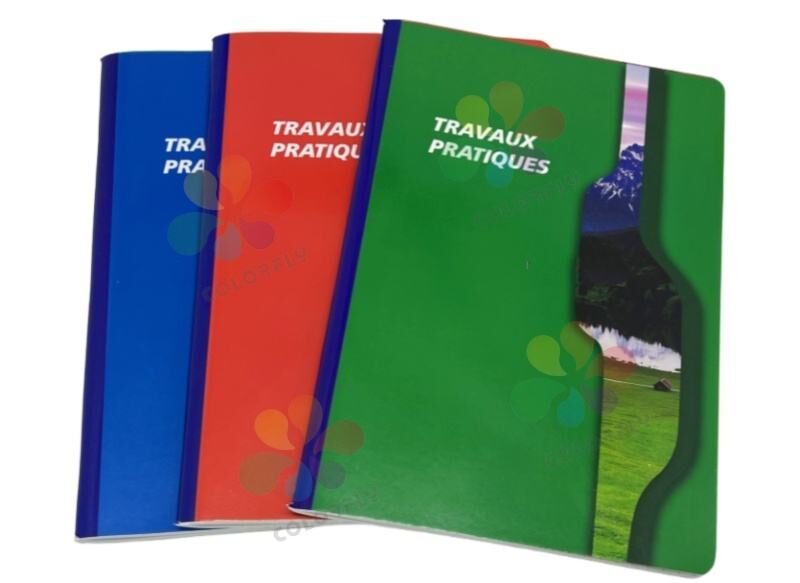
The Real Cost of “Greenwashing” in Notebook Sourcing
Many suppliers claim environmental credentials they can’t substantiate. The term “eco-friendly” often hides:
Untraceable material sources
Questionable manufacturing practices
Inferior product durability
Hidden environmental costs in transportation
The 4 Pillars of Truly Sustainable Notebooks
1. Material Transparency: Beyond Surface Claims
What to Verify:
FSC or PEFC certification for paper sourcing
Vegetable-based inks instead of petroleum-based
Water-based coatings rather than plastic lamination
Recycled content percentage with verification
The Colorfly Standard: We provide third-party verified material traceability reports showing exactly where our paper comes from and how it’s processed. Our 85% post-consumer recycled paper maintains the same writing quality as virgin paper, thanks to our specialized pulping process.
2. Durability That Actually Reduces Waste
True sustainability means products that last. Evaluate:
Binding strength for heavy daily use
Cover tear resistance in various climates
Paper opacity to prevent bleed-through
Moisture resistance for tropical environments
A Madagascar school that switched to Colorfly’s reinforced eco-notebooks reported: “Where we previously replaced notebooks every term, these last the entire academic year. We’ve reduced our paper waste by 60%.”
3. Bulk Customization That Makes Sense
Customization shouldn’t undermine environmental goals. Smart approaches include:
Water-based digital printing for small batches
Embossing instead of printing for logos
Standardized color palettes to minimize ink changes
Efficient packaging designs that reduce materials
4. Supply Chain Ethics and Efficiency
The greenest product can’t compensate for a dirty supply chain. Ask about:
Factory energy sources and efficiency
Worker welfare standards
Transportation optimization
Local distribution networks
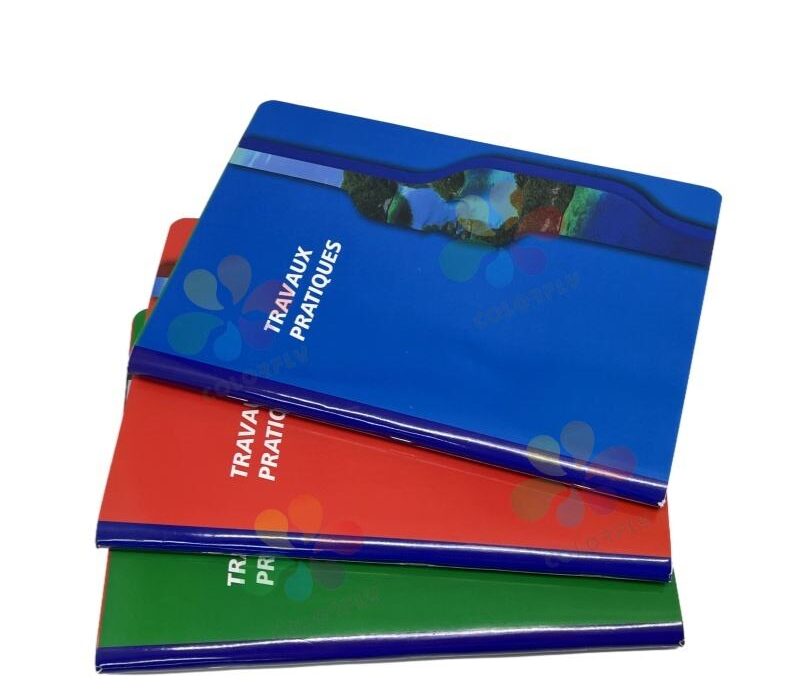
The Colorfly Difference: A Case Study in Comoros
When a Comoros school network needed 50,000 notebooks that balanced sustainability, durability, and budget, we developed a comprehensive solution:
Covers from 100% recycled PET bottles processed locally
Paper from FSC-certified Tanzanian forests
Soy-based ink printing for vibrant but non-toxic colors
Regional production in our Dar es Salaam facility to reduce shipping
Bulk packaging in reusable crates instead of single-use cardboard
“The students noticed the difference immediately,” the education director reported. “The notebooks became a practical lesson in circular economy principles.”
Your Step-by-Step Sourcing Guide
Define Your True Requirements
Usage context: Classroom notes vs. corporate gifts vs. field work
Environmental priorities: Recycled content vs. biodegradability vs. carbon footprint
Customization needs: Logo placement, interior pages, special features
Budget reality: Balancing ideal specs with available funds
Supplier Evaluation Checklist
Documentation to Request:
Material safety data sheets
Environmental certification copies
Factory audit reports
Sample testing protocols
Supply chain mapping
Quality Verification:
Test samples under actual usage conditions
Verify writing surface smoothness
Check binding durability
Assess cover scratch resistance
Implementation and Monitoring
Start with a pilot order (1,000-5,000 units)
Conduct user feedback sessions
Track actual usage lifespan
Measure environmental impact metrics
Beyond the Product: Creating Educational Value
The most successful eco notebook programs transform procurement into education. We help clients:
Create custom interior pages with environmental messages
Include resource tracking sections for students or employees
Develop accompanying lesson plans about sustainability
Provide transparency reports about the notebook’s journey
Your Sustainable Sourcing Action Plan
This Week:
Audit your current notebook environmental impact
Research credible certification standards
Contact 2-3 verified sustainable suppliers
This Month:
Request and test samples
Develop your sustainability criteria checklist
Calculate your total cost of ownership
This Quarter:
Place pilot orders with top candidates
Implement user feedback collection
Plan your full rollout strategy
Ready to Source with Confidence?
Sustainable notebook sourcing requires moving beyond marketing claims to verified practices. The right approach balances environmental responsibility with practical usability and budget realities.
We make sustainable sourcing simpler. Our team has helped schools, businesses, and organizations across East Africa implement successful eco-notebook programs.
[Download Our Sustainable Sourcing Checklist]