


 Deutsch
  English
  Русский
  العربية
  Español de Costa Rica
  Français
  Italiano
  Português
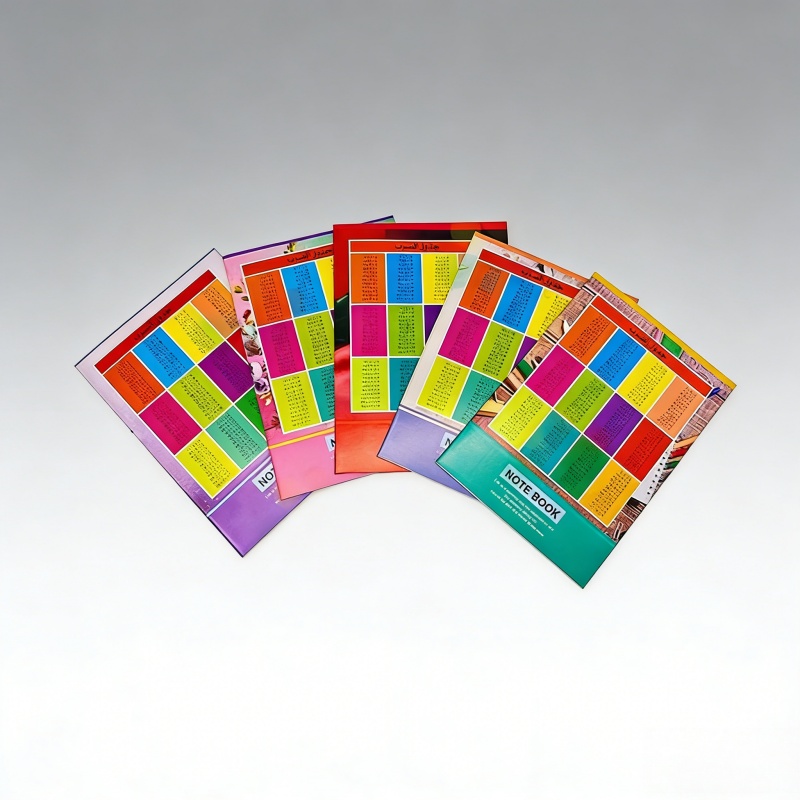
A September Morning
There’s a particular sound that still takes me back to my first year of teaching.
It’s not the bell, or the chatter of students spilling into hallways. It’s the quiet crack of a notebook spine breaking—usually around the third week of September.
I remember watching a quiet student named Elena fidgeting with her exercise book during a grammar exercise. The cover was still crisp, but the pages had already begun their slow escape from the cheap staples. By October, she was holding together three different notebooks with rubber bands, trying not to lose her vocabulary lists.
“It’s fine, Mr. C,” she said when I asked. “They all do this.”
And she was right. Most of them did.
What We Expect from a School Notebook
As teachers and parents, we often overlook the tool that students use more than any other—except maybe their phones. An exercise book isn’t just paper bound together. It’s where ideas take shape, where homework lives, and where organization either thrives or falls apart.
A good school notebook should do three things:
Stay intact – from September to June.
Open flat – so writing isn’t a battle against a stubborn spine.
Look and feel reliable – because when a notebook feels cheap, it’s easier to treat it carelessly.
For years, most of us accepted that exercise books were disposable. Buy a pack in August, replace them by winter break. But it doesn’t have to be that way.
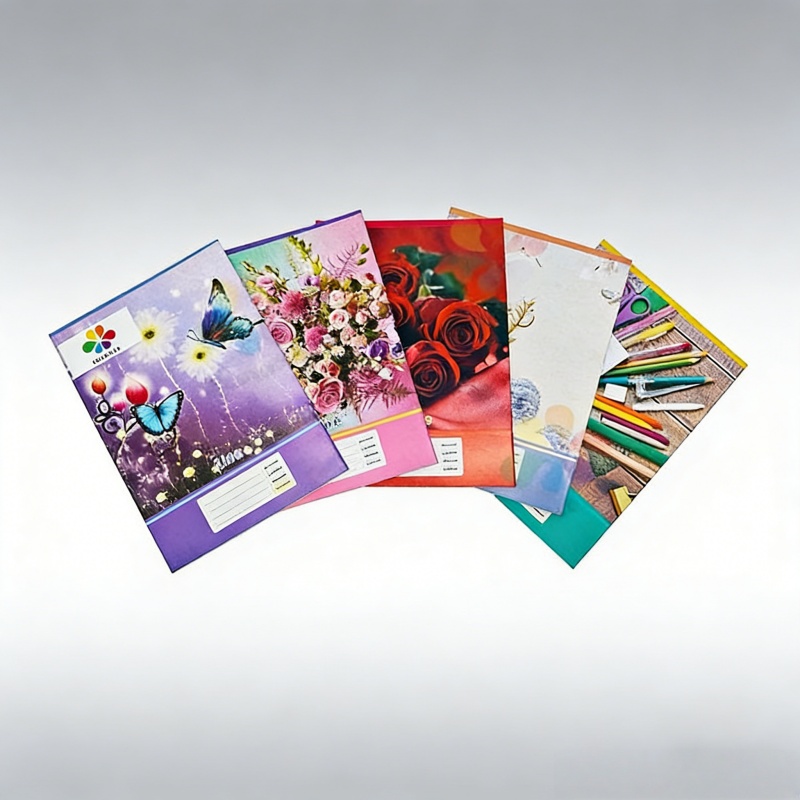
The Difference Is in the Binding
If you’ve ever pulled a staple-bound notebook out of a student’s backpack, you’ve seen the damage. Staples pull through paper. Covers separate. Pages end up crumpled in the bottom of a bag, mixed with snack crumbs and loose assignments.
That’s why I started looking for something different—not just for my students, but for my own kids at home.
What I found was French line binding.
Unlike standard stapled notebooks, French line binding uses a durable stitching method along the spine. It allows the notebook to open completely flat without cracking. Pages stay secure. Covers stay attached. It’s a small detail that makes a surprisingly big difference in daily use.
When I first introduced French line binding notebooks in my classroom, I handed them out to a few students who were particularly hard on their supplies. By spring, those were the only notebooks still intact.
Meet Colorfly: Notebooks That Actually Last
This is where I want to introduce you to a brand that understands what students and teachers actually need: Farbfliege.
Colorfly specializes in thoughtfully designed stationery, with a focus on durability and real-world use. Their French line binding exercise books are exactly what I wish I’d had when I was teaching—and exactly what I buy for my own children now.
Available in both A5 Und A4 sizes, Colorfly’s notebooks combine:
French line stitching for long-lasting strength
Smooth, thick paper that handles fountain pens, markers, and daily wear
Clean, minimal covers that hold up to backpack life
Staple-free construction—no loose pages, no messy failures
Whether it’s for math homework, journaling, or keeping notes organized across multiple subjects, these notebooks are built to go the distance.
Why This Matters for Schools
If you’re a parent, you’ve probably had the conversation:
“Mom, my notebook fell apart.”
“Again?”
It’s frustrating. And for schools and homeschool environments, constantly replacing supplies disrupts learning and adds unnecessary costs.
Colorfly’s French line binding notebooks are designed to solve that. They’re school-ready in the truest sense—because they’re built to last an entire academic year, not just the first few weeks.
For teachers and administrators, choosing durable supplies means fewer interruptions, less waste, and more focus on actual learning.
A Small Story About a Notebook That Made It
I think back to Elena, the student with the rubber bands. A few years after that class, I ran into her at a local bookstore. She was in college by then, studying design.
She pulled out her sketchbook—a French line binding notebook, worn around the edges but fully intact.
“Still using these,” she said with a smile. “Turns out, when a notebook doesn’t fall apart, you actually keep everything inside.”
It was a small moment, but it stuck with me.
The tools we give students matter. Not because a notebook changes how well someone writes, but because it changes how they feel about their own work. When a notebook feels solid, students treat it with care. When it falls apart, they learn that their work is temporary.
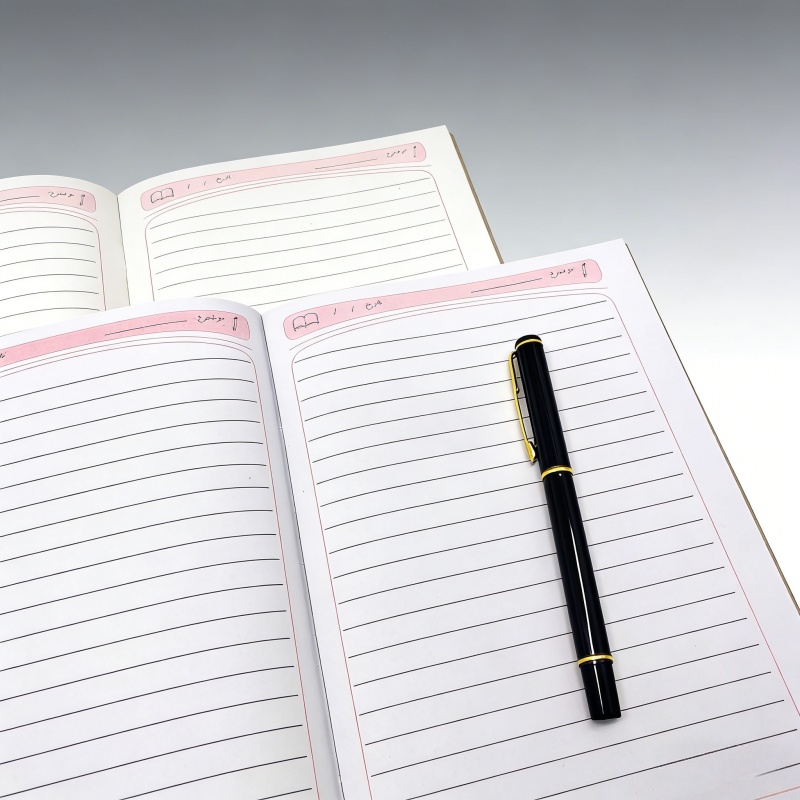
Get Your Classroom (or Home) Ready
If you’re looking for exercise books that won’t leave you hunting for rubber bands by October, Colorfly’s French line binding collection is worth exploring.
Whether you need A5 notebooks for quick notes, journaling, or language exercises, or A4 size for main subjects and homework, there’s an option that fits.
Farbfliege keeps it simple: durable materials, smart binding, and designs that work for real students in real classrooms.
Ready to Make the Switch?
Stop replacing notebooks every few months. Give your students—or your own kids—a tool that can actually keep up.
👉 Explore Colorfly French Line Binding Exercise Books
Available in A5 and A4, perfect for school, home, or the creative workspace.
Why Choose Colorfly?
| Besonderheit | Benefit |
|---|---|
| French Line Binding | Pages stay secure; notebook opens flat |
| A5 & A4 Sizes | Perfect for different subjects and uses |
| Durable Cover | Withstands daily backpack wear |
| High-Quality Paper | Smooth writing, no bleed-through |
| School-Ready Design | Built to last the full academic year |
Final Thoughts
We don’t often think about the small tools that shape a student’s day. But a good notebook—one that doesn’t fall apart, doesn’t fight back, and actually feels good to use—can quietly change how a student approaches their work.
Farbfliege makes that possible. No gimmicks. Just well-made exercise books that are truly ready for school.